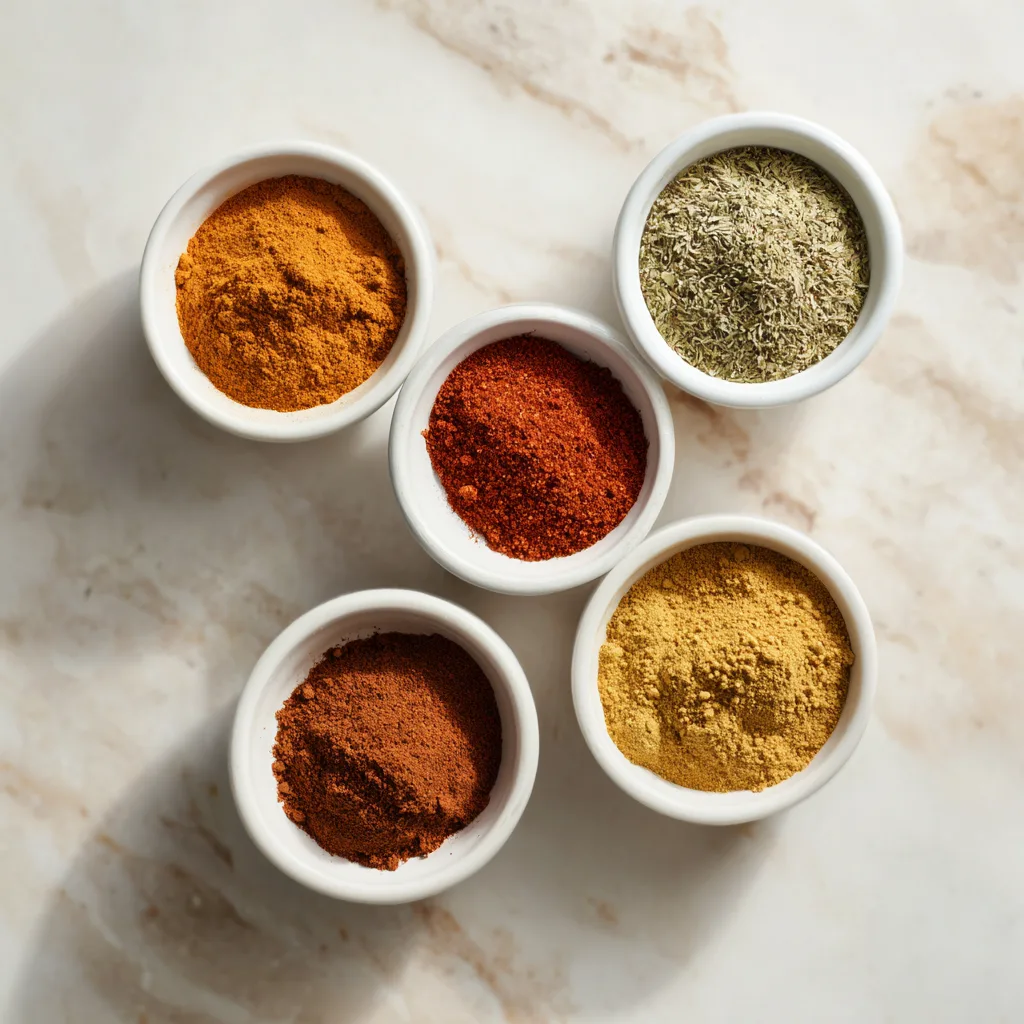
Starting your Moroccan cooking journey feels overwhelming when you see ingredient lists full of unfamiliar spices. Simple Moroccan spices for beginners actually come down to just five essential seasonings you can find at any grocery store.
At Mealzyt, Chef Rachel demystifies exotic cuisines by showing you exactly what you need and what you can skip.
You don’t need 30 different spices to create authentic Moroccan flavors. Most traditional dishes rely on the same core ingredients combined in different ratios.
This guide breaks down the five must-have spices, how to use them, and where to buy them without breaking your budget.
See also: 15 Easy Moroccan Dinner Ideas for Busy Weeknights
Table of Contents
Table of Contents
The 5 Essential Moroccan Spices Every Beginner Needs
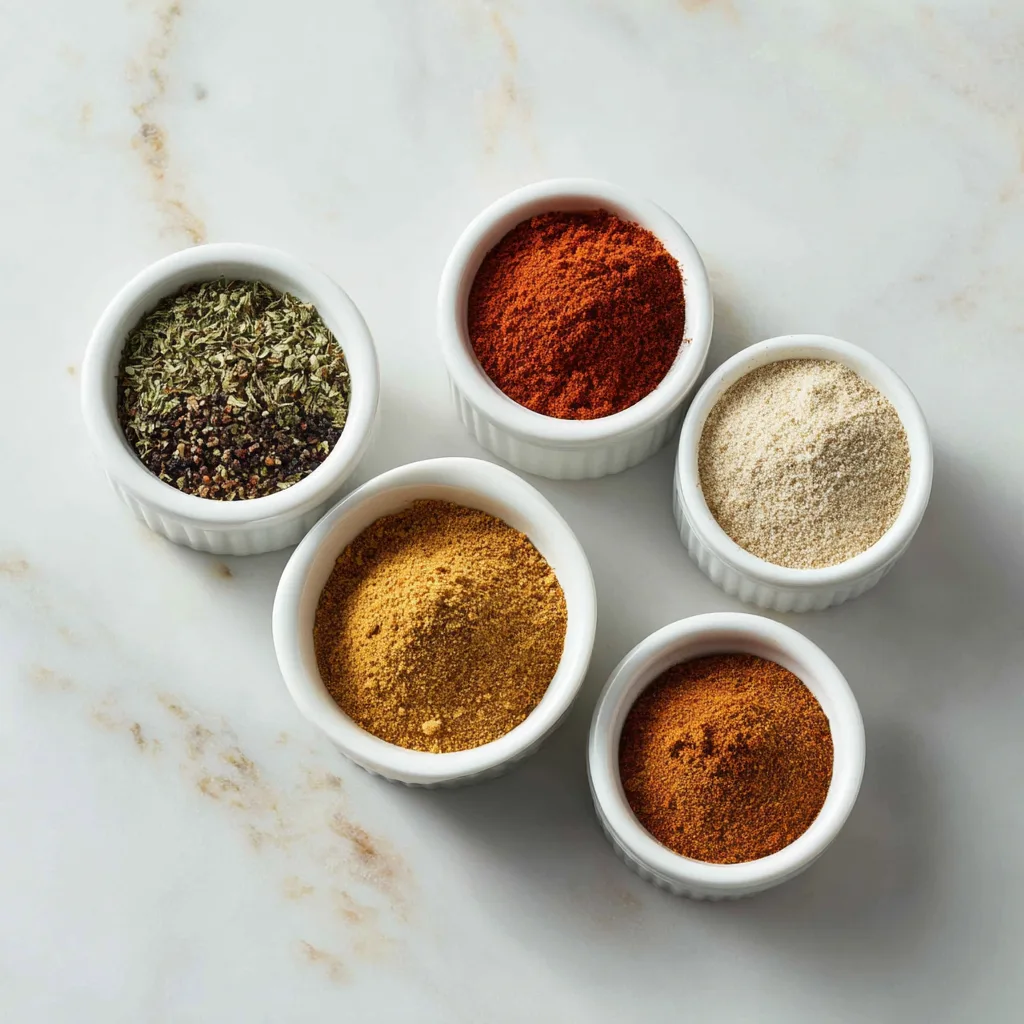
1. Cumin (Ground and Whole Seeds)
Cumin provides the earthy, warm base for almost every Moroccan dish. It’s the spice you’ll use most often in tagines, stews, and rice dishes.
How to Use: Toast whole cumin seeds in a dry pan for 30 seconds before grinding them fresh, or use pre-ground cumin for convenience. Add 1-2 teaspoons per recipe.
Best For: Chicken tagines, lentil soups, vegetable stews, spice rubs
Where to Buy: Any supermarket spice aisle. McCormick and Simply Organic make reliable versions.
Storage Tip: Ground cumin loses potency after 6 months. Whole seeds last 2+ years when stored in an airtight container.
2. Coriander (Ground)
Coriander adds a subtle citrusy, slightly sweet note that balances cumin’s earthiness. Together, these two spices form the foundation of Moroccan cooking.
How to Use: Combine with cumin in a 1:1 ratio for most recipes. Add at the beginning of cooking to bloom the flavors in oil.
Best For: Beef and lamb dishes, chickpea stews, roasted vegetables, spice blends
Where to Buy: Supermarket spice aisle. Look for bright green color indicating freshness.
Pro Tip: Coriander is made from cilantro seeds. If you hate cilantro, don’t worry—coriander tastes completely different.
3. Cinnamon (Ground and Sticks)
Moroccan cuisine uses cinnamon in savory dishes, not just desserts. It adds warmth and subtle sweetness to meat and vegetable tagines.
How to Use: Add 1/2 to 1 teaspoon ground cinnamon to stews, or drop a cinnamon stick into the cooking liquid and remove it before serving.
Best For: Lamb tagines, beef stews with prunes or apricots, sweet potato dishes, rice pilafs
Where to Buy: Any grocery store. Ceylon cinnamon is sweeter and more delicate than Cassia cinnamon (the common type).
Beginner Mistake: Don’t add too much—cinnamon can overwhelm other flavors. Start with 1/2 teaspoon.
4. Paprika (Sweet, Not Smoked)
Paprika provides vibrant red color and mild, sweet pepper flavor without heat. It’s essential for the visual appeal of Moroccan dishes.
How to Use: Add 1-2 teaspoons to tomato-based stews, or use it as a finishing garnish sprinkled over couscous and rice.
Best For: Chicken dishes, tomato sauces, spice rubs, marinades, finishing touch on hummus
Where to Buy: Regular grocery store. Make sure it says “sweet paprika,” not “smoked paprika” (which has a completely different flavor).
Color Check: Fresh paprika should be bright red. If it looks brown or dull, it’s old and won’t add much flavor.
5. Ginger (Ground or Fresh)
Ginger adds a warm, slightly spicy kick that brightens heavy meat dishes. It’s particularly important in dishes with lamb or beef.
How to Use: Use 1 teaspoon ground ginger or 1 tablespoon grated fresh ginger per recipe. Add it early in the cooking process to mellow the heat.
Best For: Lamb tagines, beef stews, lentil soups, vegetable dishes, spice rubs
Where to Buy: Ground ginger is in every spice aisle. Fresh ginger root is in the produce section.
Fresh vs. Ground: Fresh ginger has a brighter, zingier flavor. Ground ginger is warmer and more concentrated. They can be substituted 3:1 (3 tablespoons fresh = 1 tablespoon ground).
Bonus Spices to Add Once You’re Comfortable
Once you’ve mastered the five essentials, these three spices will elevate your cooking:
Ras el Hanout
A pre-mixed spice blend containing 10-30 spices. It’s the “everything” seasoning of Moroccan cooking. Use 1-2 teaspoons per dish. Brands like The Spice House and Zamouri Spices make excellent versions.
Harissa Paste
A spicy chili paste that adds heat and depth. Start with 1/2 teaspoon and adjust to taste. Mina and Dea are widely available brands.
Saffron
The world’s most expensive spice adds golden color and subtle floral flavor to rice and couscous. A tiny pinch goes a long way. Buy it in small quantities from reputable sources.
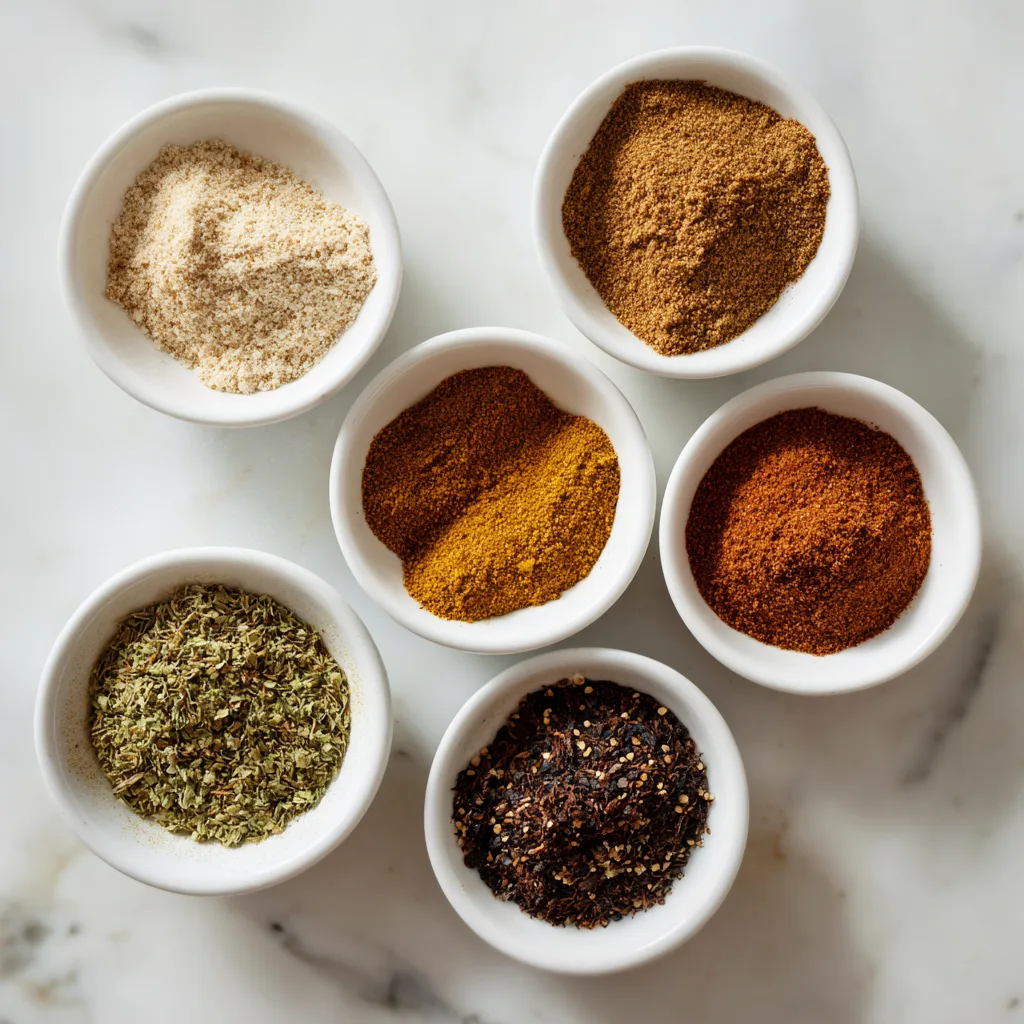
How to Build Your Own Moroccan Spice Blend
Don’t want to buy ras el hanout? Make your own basic version using spices you already have:
Basic Moroccan Spice Mix:
- 2 tablespoons ground cumin
- 2 tablespoons ground coriander
- 1 tablespoon sweet paprika
- 1 teaspoon ground cinnamon
- 1 teaspoon ground ginger
- 1/2 teaspoon black pepper
- 1/4 teaspoon cayenne (optional, for heat)
Mix everything together and store in an airtight jar. This blend works for any Moroccan recipe and lasts 6 months.
Where to Buy Moroccan Spices on a Budget
Option 1: Grocery Store Basics
Your regular supermarket carries cumin, coriander, cinnamon, paprika, and ginger in the spice aisle. This is the most convenient option for beginners.
Cost: $2-4 per spice jar
Option 2: Ethnic Markets
Middle Eastern, Indian, or Mediterranean markets sell spices in bulk at much lower prices. The quality is often better and fresher.
Cost: $1-2 per large bag
Option 3: Online Spice Shops
The Spice House, Penzeys, and Burlap & Barrel offer high-quality spices with detailed descriptions. Great for specialty items like saffron or ras el hanout.
Cost: $5-10 per jar (premium quality)
Option 4: Amazon
Convenient for hard-to-find items like harissa paste or preserved lemons. Read reviews carefully to avoid low-quality products.
Chef Rachel’s Tip: Buy small quantities first. You don’t need giant jars of spices that will go stale before you use them.
How to Store Moroccan Spices for Maximum Freshness
Storage Rules:
- Keep spices in airtight containers away from heat, light, and moisture
- Don’t store them above the stove (heat degrades flavor quickly)
- Label jars with the purchase date
- Replace ground spices every 6-12 months
- Whole spices (cinnamon sticks, cumin seeds) last 2-3 years
Freshness Test: Rub a pinch of spice between your fingers and smell it. If the aroma is weak or stale, it’s time to replace it.
Common Beginner Mistakes to Avoid
Mistake #1: Buying Too Many Spices at Once
Start with the five essentials. Add specialty spices only when a recipe specifically requires them.
Mistake #2: Skipping the Toasting Step
Toasting whole spices in a dry pan for 30-60 seconds wakes up their oils and intensifies flavor dramatically.
Mistake #3: Adding Spices at the Wrong Time
Bloom ground spices in hot oil for 30 seconds at the start of cooking. This releases their full flavor.
Mistake #4: Using Smoked Paprika Instead of Sweet Paprika
Smoked paprika tastes like a campfire. It’s not traditional in Moroccan cooking and will overpower delicate flavors.
Mistake #5: Measuring by Eye Instead of Spoons
Start with exact measurements until you develop your palate. It’s easier to add more spice than to fix an over-spiced dish.
Quick Reference Chart
| Spice | Flavor Profile | Best Used In | Amount per Recipe |
|---|---|---|---|
| Cumin | Earthy, warm | Tagines, stews, rice | 1-2 tsp |
| Coriander | Citrusy, sweet | Meat dishes, vegetables | 1-2 tsp |
| Cinnamon | Sweet, warm | Lamb, beef, sweet potatoes | 1/2-1 tsp |
| Paprika | Mild, sweet pepper | Tomato dishes, garnish | 1-2 tsp |
| Ginger | Warm, slightly spicy | Heavy meats, soups | 1 tsp ground / 1 tbsp fresh |
Your First Moroccan Recipe Using These Spices
Ready to put these spices to use? Try our Moroccan Chicken and Potatoes Skillet recipe that uses essential spices. It’s a one-pot meal ready in 25 minutes and tastes like you spent hours in the kitchen.
Frequently Asked Questions
Q: Can I substitute spices if I’m missing one?
A: In most cases, yes. If you’re missing coriander, double the cumin. If you don’t have ginger, add a pinch of cayenne for warmth. The dish won’t be identical, but it will still taste good.
Q: Are Moroccan spices spicy-hot?
A: No. Moroccan spices are warm and aromatic, not burn-your-mouth hot. The heat comes from harissa or cayenne, which you control.
Q: How long do spices last?
A: Ground spices last 6-12 months. Whole spices last 2-3 years. They don’t go “bad,” but they lose flavor over time.
Q: Can I use pre-mixed Moroccan seasoning?
A: Yes! Pre-mixed blends like ras el hanout are convenient and authentic. Just check the ingredient list to make sure it doesn’t contain salt or fillers.
Final Thoughts for Moroccan Spices
Simple Moroccan spices for beginners really are simple. With cumin, coriander, cinnamon, paprika, and ginger, you can cook 90% of traditional Moroccan dishes. Chef Rachel started with just these five spices in her pantry and gradually expanded as she tried new recipes.
Don’t let unfamiliar ingredients intimidate you. Start with one recipe, buy the five essential spices, and taste the magic of Moroccan cooking. Your family will think you’ve been secretly attending culinary school.
Blog and Social Links Footer
More Recipes at: mealzyt.com
Follow us: Pinterest | Facebook