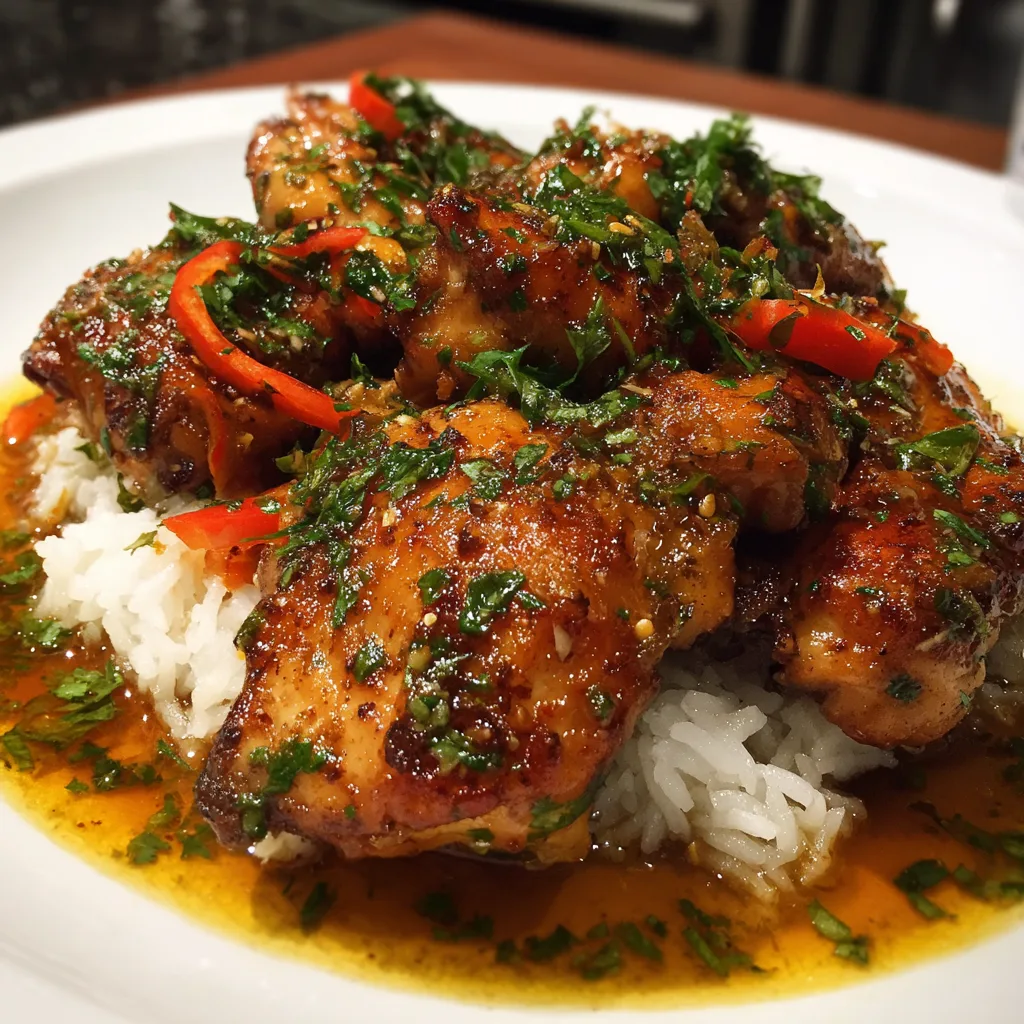
One-Pot Thai Lemon Grass Chicken is an intoxicatingly aromatic, 45-minute complete meal that combines tender bone-in chicken thighs with jasmine rice, shiitake mushrooms, and fragrant lemongrass—all cooked together in coconut water that infuses every grain of rice with bright citrus flavors and subtle sweetness.
Chef Rachel developed this streamlined version after falling in love with the Vietnamese and Thai lemongrass chicken dishes she encountered traveling through Southeast Asia, creating a simplified one-pot lemongrass chicken technique that delivers restaurant-quality results without multiple pans or complicated steps.
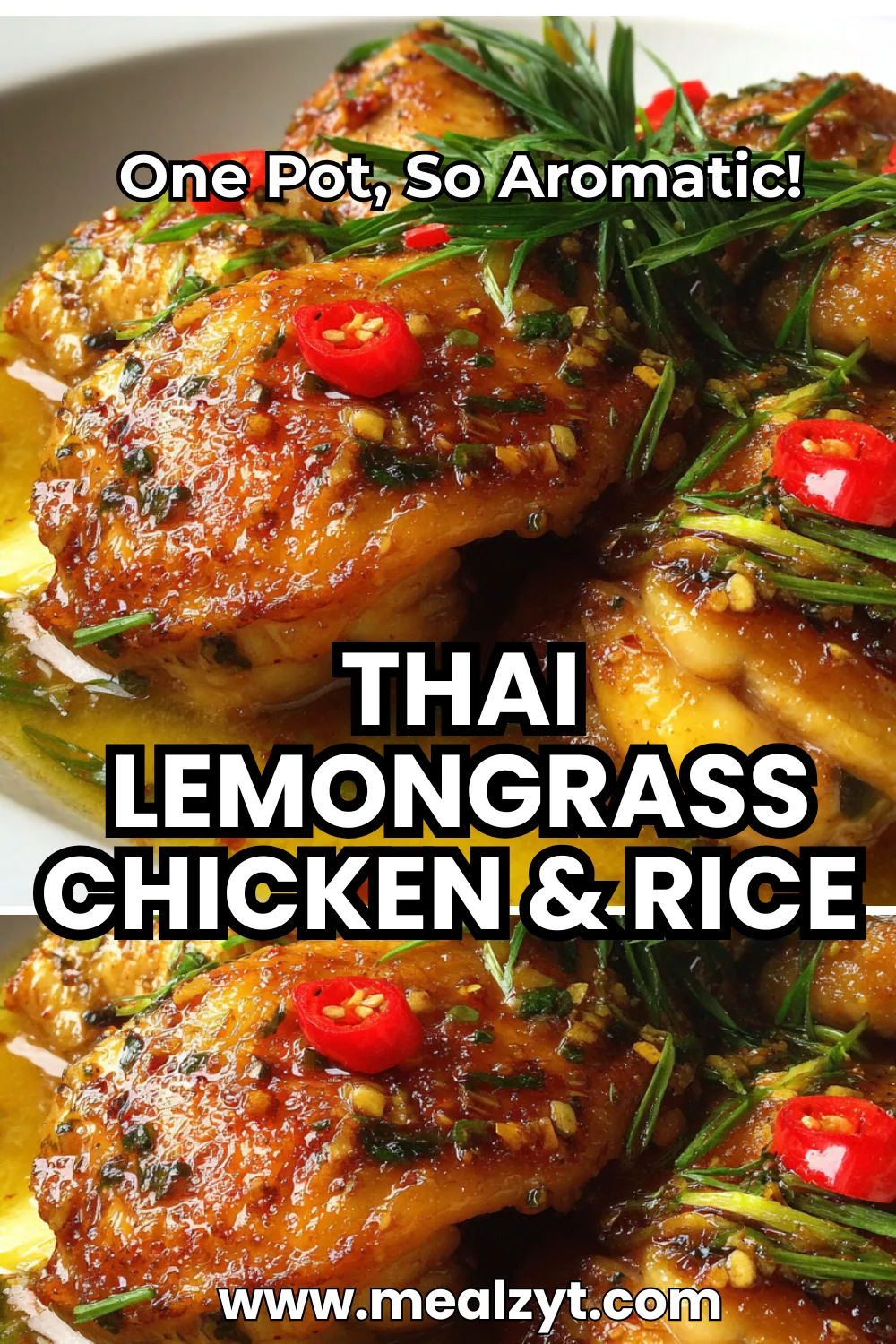
One-Pot Thai Lemon Grass Chicken
Ingredients
Equipment
Method
- Place shiitake mushrooms in bowl and pour ¾ cup boiling water over them. Place another bowl on top to keep mushrooms submerged. Let sit 30 minutes.
- Squeeze excess water from mushrooms and cut into thick slices. Reserve ¼ cup mushroom soaking liquid, straining any sediment.
- In blender, combine reserved mushroom water, 2 tablespoons oil, brown sugar, fish sauce, lemongrass, garlic, shallots, ginger, salt, and pepper. Puree until smooth.
- Pour marinade over chicken thighs and sliced mushrooms, turning to coat thoroughly. Cover and marinate in refrigerator at least 2 hours or overnight.
- Rinse jasmine rice under cold water until water runs clear. Soak rice in water for 25 minutes, then strain and set aside.
- Heat remaining 1 tablespoon oil in large pot or Dutch oven over medium heat. Remove chicken and mushrooms from marinade and lay in pot. Sear chicken until golden brown, 3-4 minutes per side.
- Add 1 cup coconut water and bring to simmer. Cover pot, reduce heat to low, and simmer 20 minutes.
- Remove lid and skim fat from surface. Add soaked and drained rice, gently shaking pot to redistribute rice evenly. Ensure all rice grains are submerged in liquid.
- Cover pot and cook on low 15-20 minutes until rice is tender and has absorbed all liquid. Remove from heat and let sit covered for 10 minutes.
- Remove lid and gently fluff rice with fork. Sprinkle with chopped scallions and crispy fried shallots. Serve immediately.
Notes
Approximately 520 kcal per serving (4 servings) Protein
Approximately 38 g protein per serving from chicken thighs
The genius of this Thai lemongrass chicken lies in how the rice cooks directly in the flavorful liquid created by simmering the marinated chicken—the coconut water, chicken juices, and aromatic marinade combine to create the most luxuriously flavored rice you’ve ever tasted. Unlike recipes where you cook chicken and rice separately and serve them together, this technique creates an integrated dish where every component benefits from the others.
Chef Rachel’s friend Mery, who spent months backpacking through Thailand and Vietnam eating every version of lemongrass chicken she could find, taste-tested this recipe and declared the rice “absolutely transcendent”—so flavorful that it could stand alone as a dish, but even better paired with the tender, aromatic chicken. Whether you’re meal prepping for the week, feeding a family on a busy evening, or looking for an impressive yet easy dinner for guests, this one-pot lemongrass chicken and rice proves that spectacular food doesn’t require professional techniques.
For more aromatic Thai dinners, explore our Thai Basil Chicken Rice — Simple Dinner or try our Thai Chicken and Rice One-Pot Dinner for curry-forward flavors.
Summary
This One-Pot Thai Lemon Grass Chicken combines bone-in chicken thighs with jasmine rice, dried shiitake mushrooms, and aromatic lemongrass in a marinade made from fish sauce, brown sugar, garlic, ginger, and shallots—the chicken simmers in coconut water before rice is added to cook in all those flavorful juices, creating a complete meal in a single pot. The result is incredibly tender chicken with caramelized edges and the most flavorful rice imaginable, all achieved with mostly hands-off cooking time.
Why this One-Pot Thai Lemon Grass Chicken works:
- Complete meal in one pot—protein, grain, and umami-rich mushrooms all together
- The rice is unbelievably flavorful—it absorbs the lemongrass-infused cooking liquid
- Lemongrass creates bright, citrusy aroma—without actual citrus, making it uniquely Thai
- Bone-in chicken stays incredibly moist—bones add flavor to the cooking liquid
- Dried shiitake mushrooms add umami depth—their soaking liquid becomes part of the marinade
- Mostly hands-off cooking—40+ minutes of simmering requires minimal attention
- Perfect for meal prep—reheats beautifully and flavors deepen over time
The key is marinating the chicken for at least 2 hours (or overnight) to infuse it with lemongrass flavor, then cooking the rice in the liquid created by simmering the chicken so every grain absorbs those aromatic flavors.
Equipment
Essential tools for making One-Pot Thai Lemon Grass Chicken:
- Large pot or Dutch oven with tight-fitting lid – A 5-6 quart pot is ideal for chicken and rice
- Blender or food processor – For pureeing the marinade ingredients
- Sharp chef’s knife – For chopping lemongrass, shallots, and scallions
- Cutting board – For prep work
- Measuring cups and spoons – For precise ratios of marinade ingredients
- Large bowl – For marinating the chicken
- Small bowl – For soaking dried shiitake mushrooms
- Wooden spoon or silicone spatula – For stirring
- Tongs – For flipping chicken pieces while searing
Optional but helpful:
- Meat thermometer to check chicken doneness (165°F)
- Fine mesh strainer for rinsing rice
- Ladle for skimming fat from cooking liquid
Ingredients
For the One-Pot Thai Lemon Grass Chicken:
Dried Mushrooms & Soaking Liquid:
Chicken:
Aromatic Marinade:
- 2 tablespoons chopped fresh lemongrass (about 2-3 stalks, tender inner parts only)
- 4 garlic cloves
- 2 shallots
- 1-inch knob of fresh ginger, peeled
- 2 tablespoons fish sauce
- 2 tablespoons brown sugar
- 3 tablespoons oil, divided
- Reserved ¼ cup mushroom soaking liquid
For Cooking:
Garnish:
- ¼ cup chopped scallions (green onions)
- ¼ cup crispy fried shallots
- Optional: pickled chilies, fresh cilantro, lime wedges
Ingredient notes:
- Bone-in chicken thighs: Provide the richest flavor and stay moist; boneless thighs work but reduce cooking time by 5-10 minutes
- Lemongrass: Use only the tender inner stalks; the outer layers are too tough and woody
- Dried shiitake mushrooms: Essential for umami depth; fresh mushrooms won’t provide the same intensity
- Coconut water: Adds subtle sweetness; substitute with chicken broth if needed
- Jasmine rice: The fragrance complements lemongrass beautifully; basmati also works
- Fish sauce: Provides authentic umami—don’t skip it!
Directions
Step 1: Rehydrate mushrooms
Place 4 dried shiitake mushrooms in a bowl and pour ¾ cup boiling water over them. Place another smaller bowl on top to keep the mushrooms fully submerged and let sit for 30 minutes. This rehydrates the mushrooms and releases their deep umami flavor into the liquid.
Step 2: Prepare mushrooms and reserve liquid
After 30 minutes, squeeze excess water from the mushrooms back into the bowl. Cut the rehydrated mushrooms into thick slices and set aside. Carefully pour ¼ cup of the mushroom soaking liquid into a measuring cup, leaving behind any sediment at the bottom—discard the sediment and remaining liquid.
Step 3: Make the aromatic marinade
In a blender or food processor, combine the reserved ¼ cup mushroom water with 2 tablespoons oil, brown sugar, fish sauce, chopped lemongrass, garlic cloves, shallots, ginger, salt, and black pepper. Blend until completely smooth—this creates an intensely flavorful paste. The lemongrass should be finely pureed so it distributes evenly throughout the marinade.
Step 4: Marinate the chicken
Place the chicken thighs and sliced shiitake mushrooms in a large bowl or large ziplock bag. Pour the marinade over the chicken, turning each piece to coat thoroughly. Cover the bowl or seal the bag and marinate in the refrigerator for at least 2 hours, or ideally overnight for maximum flavor infusion. The longer marinating time allows the lemongrass, ginger, and garlic flavors to penetrate deep into the chicken.
Step 5: Rinse and soak the rice
While the chicken marinates (or 30 minutes before cooking), rinse the jasmine rice under cold water until the water runs completely clear. This removes excess starch that can make rice gummy. Place the rinsed rice in a bowl, cover with water, and let soak for 25 minutes. Soaking helps the rice cook more evenly and achieve a tender texture. Strain the rice and set aside.

Step 6: Sear the chicken
Heat the remaining 1 tablespoon of oil in a large pot or Dutch oven over medium heat. Remove the chicken thighs and mushrooms from the marinade (reserve any leftover marinade) and lay them in the pot. Sear the chicken skin-side down (if skin-on) until golden brown, about 3-4 minutes. Don’t rush this step—the golden crust adds incredible flavor! Flip the chicken and sear the other side for another 3-4 minutes until golden brown.
Step 7: Simmer the chicken
Add the 1 cup of coconut water to the pot and bring to a simmer. The liquid should come about halfway up the chicken pieces. Cover the pot with a tight-fitting lid, reduce the heat to low, and simmer for 20 minutes. During this time, the chicken cooks through while flavoring the liquid that will eventually cook the rice.
Step 8: Skim fat and add rice
After 20 minutes, remove the lid carefully (it will be steamy!). Use a spoon to skim as much fat from the surface as possible. You want some fat for flavor, but too much will make the rice greasy. Add the soaked and drained jasmine rice to the pot. Gently shake the pot to redistribute the rice evenly around and between the chicken pieces. Important: Ensure all rice grains are submerged in the liquid and not sitting on top of the chicken—rice exposed to air won’t cook properly.
Step 9: Cook the rice
Cover the pot again and continue cooking on low heat for another 15-20 minutes, or until the rice is tender and has absorbed all the liquid. The rice is done when it’s soft but not mushy, and no liquid remains at the bottom of the pot. Remove the pot from heat but keep it covered and let it sit for 10 minutes. This final resting period allows the rice to finish steaming and the flavors to meld.
Step 10: Fluff and serve
Remove the lid and gently fluff the rice with a fork, being careful not to break up the chicken too much. The rice should be fluffy, separated, and incredibly aromatic. Sprinkle chopped scallions and crispy fried shallots on top for added flavor, texture, and visual appeal. For extra heat, add pickled chopped chilies. Serve immediately while hot!
Pro cooking tips:
- Don’t skip the marinade time—2 hours minimum, overnight is better for maximum flavor
- Rinse and soak the rice—this prevents gummy texture
- Sear the chicken well—the golden crust adds tremendous flavor
- Keep all rice submerged in liquid—exposed rice won’t cook
- Let it rest covered after cooking—essential for perfectly cooked rice
Tips and Variations
Customizing Your One-Pot Thai Lemongrass Chicken
Protein options:
- Bone-in chicken thighs (recommended): Most flavorful and stay moist; bones add flavor to cooking liquid
- Boneless chicken thighs: Cook faster (reduce simmering time by 5-10 minutes) but less flavorful liquid
- Chicken drumsticks: Work beautifully—increase cooking time by 5 minutes
- Whole chicken pieces: Mix thighs and drumsticks for variety
- Tofu or tempeh: For vegetarian version—use vegetable broth instead of coconut water
Lemongrass preparation:
- Fresh lemongrass (best): Use only the tender inner stalks, finely chopped
- Frozen lemongrass: Often available in Asian supermarkets in convenient chopped form
- Lemongrass paste: Use 3-4 tablespoons from a jar if fresh isn’t available
- Can’t find lemongrass? Substitute with zest of 2 lemons + 1 teaspoon lemon juice (not authentic but works)
Rice alternatives:
- Jasmine rice (traditional): Fragrant and slightly sticky—perfect for this dish
- Basmati rice: Fluffier and less sticky—also excellent
- Brown jasmine rice: Requires 40-45 minutes cooking time and ½ cup extra liquid
- Quinoa: Use 15 minutes cooking time instead of 20; reduces liquid to ¾ cup
- Cauliflower rice: Add in last 5 minutes just to heat through (low-carb option)
Mushroom variations:
- Dried shiitake (recommended): Provide intense umami; their soaking liquid is essential
- Fresh shiitake: Can substitute but won’t provide same depth; use plain water in marinade
- Dried porcini: Work well for different but delicious flavor profile
- Skip mushrooms: If unavailable, use ¼ cup water or chicken broth in marinade
Adjusting flavors:
- More savory: Add extra fish sauce (1 additional tablespoon)
- More sweet: Increase brown sugar to 3 tablespoons
- More spice: Add 2 teaspoons minced red chili to the marinade
- Add turmeric: 2 teaspoons turmeric powder creates beautiful golden color
- Add soy sauce: 1 tablespoon soy sauce adds depth
Coconut water substitutions:
- Coconut water (traditional): Adds subtle sweetness and tropical flavor
- Chicken broth: More savory, less sweet—excellent substitute
- Vegetable broth: For vegetarian versions
- Plain water: Works in a pinch but misses some depth
Serving suggestions:
- As written: The chicken and rice form a complete meal
- With vegetables: Serve with steamed bok choy, Chinese broccoli, or stir-fried greens
- With salad: Fresh cucumber and tomato salad provides cooling contrast
- With extras: Pickled vegetables, fried egg, or cucumber slices
Make-ahead and meal prep:
- Marinate overnight: Best flavor development happens with longer marinating
- Prep components: Chop lemongrass, garlic, shallots, and ginger 1-2 days ahead
- Reheat: Store in airtight containers up to 3 days; reheat gently with splash of water or broth
- Freeze: Chicken and rice freeze well for up to 3 months
Nutrition Facts
| Nutrient | Per Serving (4 servings) |
|---|---|
| Calories | 520 kcal |
| Protein | 38 g |
| Total Fat | 18 g |
| Saturated Fat | 4 g |
| Carbohydrates | 48 g |
| Dietary Fiber | 2 g |
| Sugars | 8 g |
| Cholesterol | 165 mg |
| Sodium | 920 mg |
| Potassium | 625 mg |
| Vitamin A | 5% DV |
| Vitamin C | 8% DV |
| Calcium | 4% DV |
| Iron | 18% DV |
Nutritional analysis based on 4 servings using bone-in chicken thighs, coconut water, and jasmine rice. Values are approximate.
Nutritional Highlights
Complete, balanced meal: This one-pot lemongrass chicken provides all three macronutrients—38 grams of high-quality protein from chicken, 48 grams of complex carbohydrates from jasmine rice, and 18 grams of mostly healthy fats—creating a satisfying meal that provides sustained energy.
High-quality protein powerhouse: With 38 grams of protein per serving, this dish provides approximately 76% of the daily protein requirement for most adults. Chicken thighs offer more iron and zinc than chicken breasts while remaining relatively lean when skin is removed.
Energizing carbohydrates: The 48 grams of carbohydrates from jasmine rice provide quick energy for active individuals. Rice is easy to digest and naturally gluten-free, making it gentle on the digestive system.
Anti-inflammatory ingredients: Fresh lemongrass contains citral and other compounds studied for anti-inflammatory and antioxidant properties. Ginger provides gingerol, garlic contributes allicin, and shallots offer quercetin—all powerful anti-inflammatory compounds.
Umami-rich mushrooms: Dried shiitake mushrooms provide B vitamins, selenium, and polysaccharides studied for immune-supporting properties. The umami flavor they contribute also enhances overall satisfaction with the meal.
Moderate sodium: At 920mg sodium per serving, this dish is moderate in salt primarily from the fish sauce. Those monitoring sodium can reduce fish sauce to 1 tablespoon or use low-sodium versions.
Dietitian Tips
For balanced nutrition: This dish is nutritionally complete as written. For even more balance, serve with steamed vegetables or a side salad to increase fiber, vitamins, and minerals.
For weight management: At 520 calories per serving, this is a reasonable main dish for most adults. The high protein content (38g) promotes satiety and helps control appetite. To reduce calories, remove chicken skin before cooking (saves ~80 calories per serving) and use boneless thighs.
For athletes and active individuals: The combination of protein and carbohydrates makes this an excellent post-workout meal. The rice replenishes glycogen stores while the 38 grams of protein supports muscle recovery. The coconut water provides natural electrolytes.
For blood sugar management: The protein and fat naturally slow carbohydrate absorption, preventing blood sugar spikes. For tighter blood sugar control, substitute half the jasmine rice with cauliflower rice to reduce carbohydrate load while maintaining volume.
For heart health: The abundant aromatics (garlic, ginger, shallots, lemongrass) support cardiovascular health. To make more heart-healthy, remove chicken skin, use low-sodium fish sauce, and increase the vegetable content. The potassium from coconut water helps counteract sodium’s effects.
For digestive health: Ginger is renowned for supporting digestion and may reduce nausea and bloating. Lemongrass has been traditionally used to support digestive comfort. The easily digestible jasmine rice is gentle on the stomach.
For immune support: The combination of garlic, ginger, shiitake mushrooms, and lemongrass creates a powerfully immune-supporting meal. Shiitake mushrooms contain beta-glucans studied for immune-modulating effects.
Allergen considerations:
- Contains fish (fish sauce)—substitute with extra soy sauce or coconut aminos if allergic
- Naturally dairy-free and gluten-free
- Can be made soy-free by using coconut aminos instead of soy sauce
- Nut-free as written
FAQs – 6 Frequently Asked Questions
Q1: What is lemongrass and where can I find it?
A: Lemongrass is a tall, woody grass native to Southeast Asia that has a bright, citrusy flavor and aroma without actual lemon acidity. You can find fresh lemongrass in the produce section of well-stocked supermarkets (often near ginger and fresh herbs) or in Asian grocery stores. It looks like a thick green stalk about 12-18 inches long. To use lemongrass, remove the tough outer layers and use only the tender inner stalks (usually the bottom 4-6 inches), which you finely chop or puree. If you can’t find fresh lemongrass, frozen chopped lemongrass is increasingly available in Asian markets and works perfectly in this recipe—it’s often more convenient since it’s pre-chopped! Jarred lemongrass paste also works (use 3-4 tablespoons). As a last resort, you can substitute with the zest of 2 lemons plus 1 teaspoon lemon juice, though it won’t taste quite the same. Store fresh lemongrass wrapped in damp paper towels in the fridge for up to 2 weeks, or freeze for several months.
Q2: Can I use boneless chicken instead of bone-in, and should I adjust anything?
A: Absolutely! Boneless chicken thighs work well in this recipe, though you’ll need to make a couple adjustments. First, reduce the initial chicken simmering time from 20 minutes to 15 minutes since boneless pieces cook faster. Second, be aware that the cooking liquid will be slightly less flavorful since bones add significant depth and body to the broth that cooks the rice. To compensate, you can add ½ cup of chicken broth along with the coconut water to boost flavor. Boneless chicken breasts also work but are more prone to drying out—if using breasts, reduce simmering time to 12-15 minutes and check for doneness with a meat thermometer (165°F). For the most flavorful and forgiving results, bone-in chicken thighs remain the best choice as they provide rich flavor and stay incredibly moist even if slightly overcooked. The bones also make the dish feel more substantial and restaurant-quality!
Q3: Why do I need to soak the rice, and what happens if I skip this step?
A: Soaking the rice serves two important purposes: it removes excess surface starch that can make rice gummy and sticky, and it allows the rice to cook more evenly, resulting in tender grains. When you skip soaking, you might end up with rice that’s either undercooked in the center or overcooked and mushy on the outside. The starch removal is particularly important in a one-pot dish like this where the rice cooks in a limited amount of liquid—excess starch can absorb too much liquid and throw off the rice-to-water ratio. That said, if you’re in a rush, you can skip the 25-minute soak and just rinse the rice very thoroughly (at least 3-4 rinses until water runs clear). You may need to add 2-3 extra tablespoons of liquid and cook for an additional 3-5 minutes. The texture won’t be quite as perfect, but the dish will still be delicious! For best results, rinse thoroughly and soak as directed.

Q4: My rice came out undercooked/mushy—what went wrong?
A: Rice texture issues usually come down to the rice-to-liquid ratio or cooking time. If your rice is undercooked (crunchy, hard in the center), you either didn’t use enough liquid, cooked at too high heat (causing liquid to evaporate too quickly), or lifted the lid too many times during cooking (releasing essential steam). To fix undercooked rice, add ¼ cup more water or broth, cover, and cook for 5 more minutes, then let rest. If your rice is mushy, you used too much liquid, didn’t rinse away enough starch, or overcooked it. Different rice brands and even rice age can affect absorption, so you may need to adjust slightly. Make sure to measure rice and liquid precisely, keep heat low during cooking, and resist lifting the lid until the timer goes off. The 10-minute rest period with the lid on is crucial—it allows the rice to finish steaming and absorb any remaining liquid. Also ensure all rice grains are submerged in liquid when you add them—exposed rice won’t cook properly.
Q5: Can I make this One-Pot Thai Lemongrass Chicken in an Instant Pot or slow cooker?
A: Yes, though the method needs adjustment! For Instant Pot: Marinate chicken as directed. Use sauté function to brown chicken (skip this for time-saving), add coconut water, pressure cook on high for 10 minutes, natural release for 5 minutes. Remove chicken, add rinsed (unsoaked) rice to the liquid, place chicken on top, pressure cook on low for 4 minutes, natural release for 10 minutes, then let rest 5 minutes before serving. For slow cooker: This isn’t ideal since rice can become mushy with extended cooking. Better approach: cook chicken in slow cooker on low for 3-4 hours, then cook rice separately and combine when serving. Honestly, this recipe is so quick on the stovetop (45 minutes mostly hands-off) that pressure cookers or slow cookers don’t save much time. The stovetop method produces the best texture for both chicken and rice!
Q6: How do I store leftovers and reheat this dish?
A: Leftovers keep beautifully! Let the dish cool completely, then transfer to airtight containers and store in the refrigerator for up to 3 days. The flavors actually deepen and improve after a day, making leftovers arguably even better than the original meal! To reheat, you have two options: (1) Microwave method: Place a portion in a microwave-safe bowl, add 1-2 tablespoons of water or broth, cover loosely, and microwave on medium power for 2-3 minutes, stirring halfway through. The added liquid prevents the rice from drying out. (2) Stovetop method: Place leftovers in a pan with a splash of water or coconut water, cover, and heat gently over medium-low heat until warmed through, stirring occasionally. You can also freeze portions for up to 3 months in freezer-safe containers. Thaw overnight in the refrigerator before reheating. The chicken and rice freeze surprisingly well! Just add a bit more liquid when reheating as frozen/thawed rice tends to be drier.
Conclusion
This One-Pot Thai Lemon Grass Chicken transforms the humble combination of chicken and rice into something truly extraordinary—a complete meal that captures the bright, aromatic essence of Thai cuisine in a single pot with mostly hands-off cooking. The intoxicating aroma of lemongrass, ginger, and garlic that fills your kitchen as this dish cooks is only matched by the incredible flavor in every bite.
What makes this recipe genuinely special is the rice—it’s not an afterthought or side dish but an integral component that absorbs all the aromatic cooking liquid created by the marinated chicken. Chef Rachel makes this regularly because it’s one of those rare recipes that tastes impressive enough for company while being simple enough for a Tuesday night. The 2-hour marinating time is mostly passive, and the actual cooking requires minimal attention.
Her friend Mery, the Southeast Asian food enthusiast, wasn’t exaggerating when she called the rice “transcendent.” That’s what happens when rice cooks in a flavorful liquid created by lemongrass-marinated chicken simmering in coconut water—something you simply can’t achieve when cooking components separately.
Ready for more aromatic Thai dinners? Try our Thai Basil Chicken Rice — Simple Dinner for lightning-fast Thai flavors, or explore our Quick One-Pan Thai Chicken and Veggies for a vegetable-forward version.
The beauty of One-Pot Thai Lemon Grass Chicken is how it delivers such complex, layered flavors with straightforward technique—marinate, sear, simmer, add rice, done. It’s the kind of recipe that becomes a regular in your rotation, the one you make when you want something that feels special but doesn’t require restaurant skills or expensive ingredients. The lemongrass, ginger, and garlic create an anti-inflammatory powerhouse while tasting absolutely delicious.
So grab some fresh lemongrass stalks, soak those shiitake mushrooms, and discover why lemongrass chicken is one of the most beloved dishes across Thailand and Vietnam. Your kitchen will smell amazing, your family will be impressed, and you’ll have discovered a new weeknight favorite that just happens to be incredibly healthy!
More recipes in mealzyt.com.
Comments are closed.