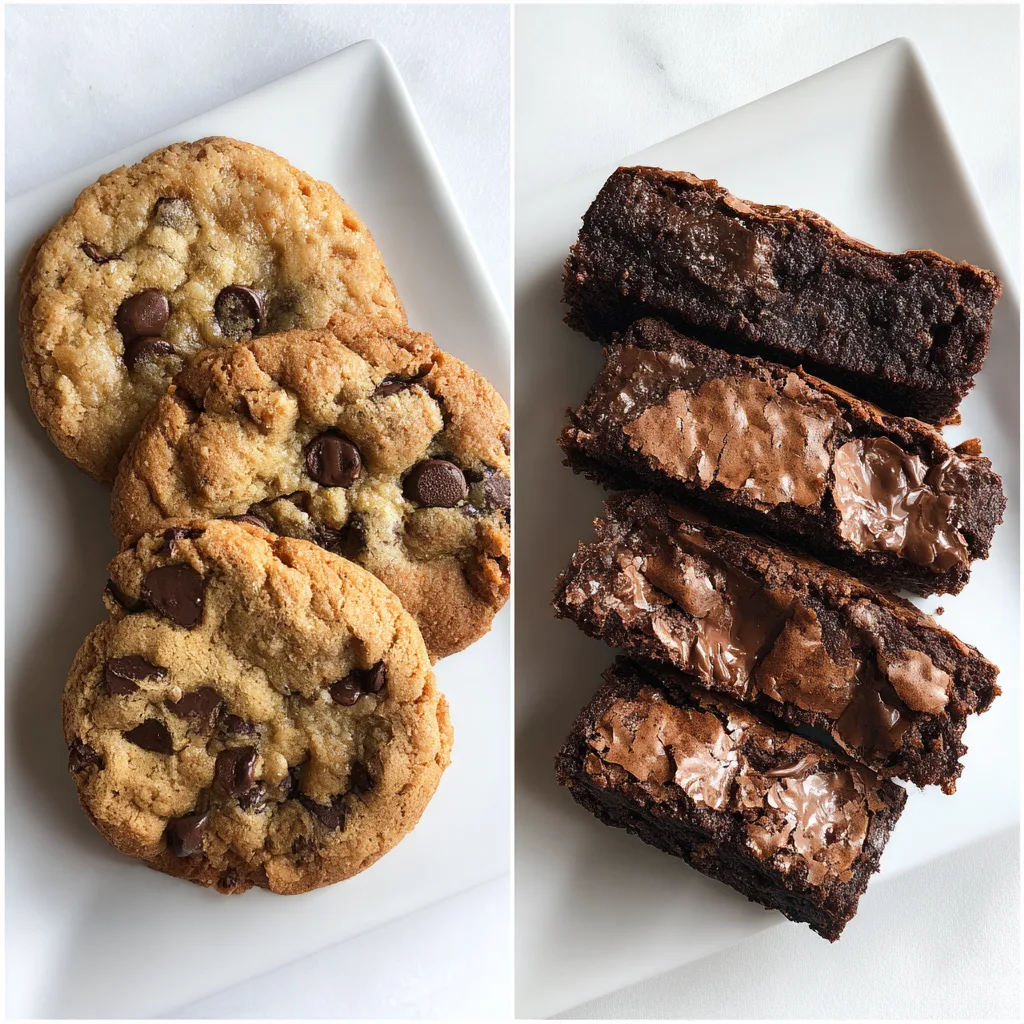
Your gluten-free brownies came out gummy. Your muffins collapsed in the center. Your cookies spread into flat puddles. Troubleshooting gluten-free baking disasters feels frustrating when you follow the recipe exactly but still get disappointing results.
At Mealzyt, Chef Rachel has tested hundreds of gluten-free recipes to identify the exact reasons baked goods fail—and how to fix them.
Gluten-free baking behaves differently than traditional baking because you’re removing the protein that gives structure and elasticity. Understanding why these disasters happen empowers you to prevent them.
This guide walks through the seven most common gluten-free baking problems and gives you actionable solutions you can use immediately.
More Ideas for Busy Weeknights: +10 Easy Moroccan Dinner Ideas for Busy Weeknights.
Table of Contents
Table of Contents
Why Gluten-Free Baking is Different
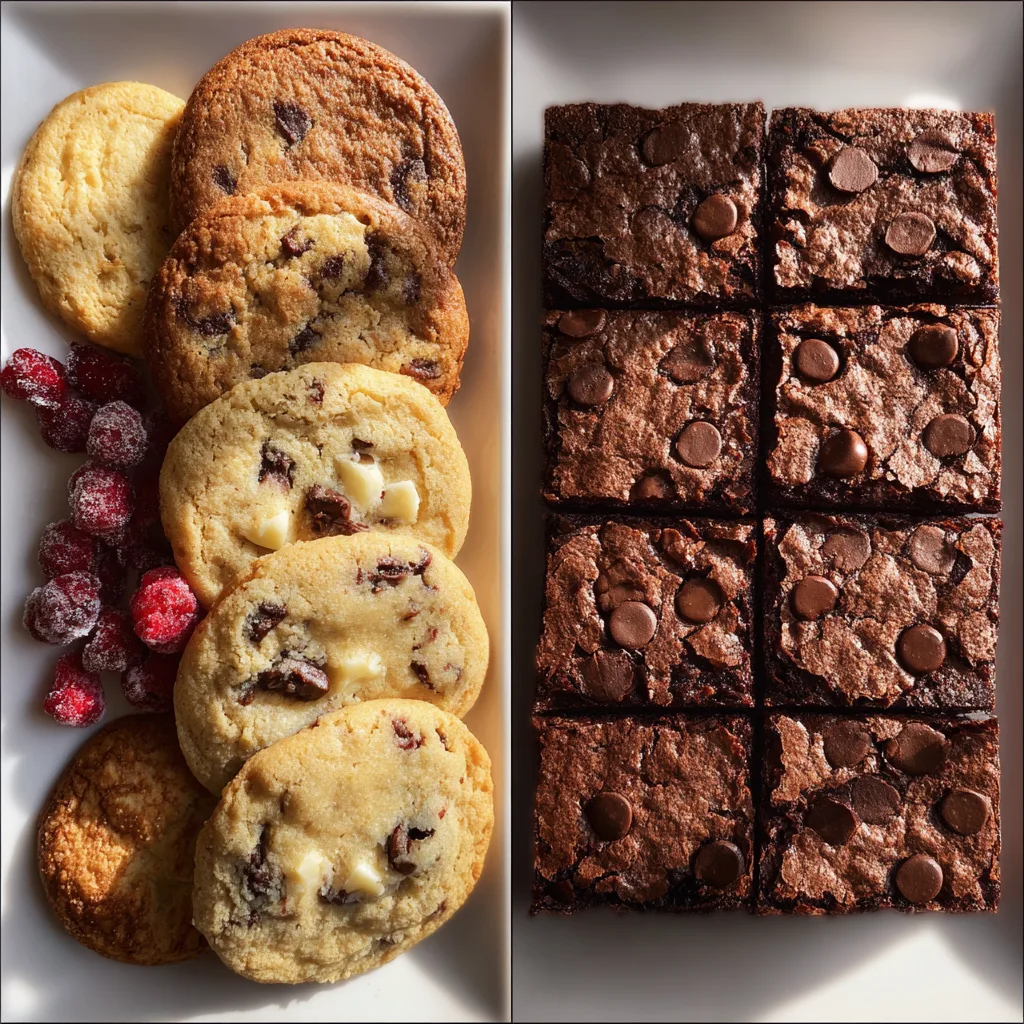
Gluten is the protein in wheat flour that creates structure, holds gas bubbles from leavening agents, and provides that classic bread texture.
When you remove gluten, you lose all three functions. Gluten-free flours need help from binders (xanthan gum, eggs), extra moisture (more liquid or fat), and sometimes different baking temperatures.
Each gluten-free flour behaves differently. Rice flour creates a gritty texture. Almond flour adds moisture but doesn’t provide structure. Coconut flour absorbs liquid like a sponge. Most successful gluten-free recipes use flour blends that combine multiple flours to mimic wheat flour’s properties.
Understanding this foundation makes troubleshooting much easier. When something goes wrong, you can identify whether the problem is structure (not enough binder), moisture (too much or too little liquid), or temperature (incorrect baking time).
Disaster #1 – Dense, Gummy Texture
The Problem:
Your cake, brownies, or muffins came out sticky, gummy, and undercooked in the center even though you baked them for the recommended time.
Why It Happens:
Gluten-free batters take longer to bake through because they hold more moisture than wheat-based recipes. The structure develops more slowly without gluten. Many gluten-free flours also contain starches that need sufficient heat to set properly.
The Fix:
- Lower the oven temperature by 25°F and bake 5-10 minutes longer. This prevents over-browning while allowing the center to cook through.
- Use the toothpick test correctly. Insert a toothpick into the center. It should come out with a few moist crumbs, not wet batter. If it’s totally clean, you’ve overbaked.
- Let baked goods cool completely before cutting. Gluten-free items continue setting as they cool. Cutting too early releases steam and creates gumminess.
- Check your flour blend. Too much starch (tapioca or cornstarch) creates gumminess. Aim for blends with 50% whole grain flours (brown rice, sorghum) and 50% starches.
Prevention Tip: Use an oven thermometer. Many ovens run 25°F hotter or cooler than the display shows, which dramatically affects gluten-free baking.
Disaster #2 – Dry, Crumbly Results
The Problem:
Your cookies, muffins, or cake taste like sawdust and fall apart when you touch them. They’re impossible to eat without a glass of milk.
Why It Happens:
Gluten-free flours absorb more liquid than wheat flour. If a recipe was converted from a traditional recipe without adjusting liquid ratios, you’ll get dry results. Alternatively, you may have added too much flour or not enough fat.
The Fix:
- Add 25% more liquid than traditional recipes call for. If a recipe needs 1 cup of milk, use 1¼ cups for gluten-free baking.
- Increase fat content. Add an extra tablespoon of butter, oil, or eggs. Fat provides moisture and helps bind crumbs together.
- Use a kitchen scale. Gluten-free flours vary dramatically in density. One cup of almond flour weighs different from one cup of rice flour. Measuring by weight ensures accuracy.
- Don’t overbake. Remove items from the oven when they’re barely golden. They continue cooking as they cool.
- Store properly. Gluten-free baked goods dry out faster. Store in airtight containers or freeze immediately.
Quick Rescue: If you already have dry baked goods, brush them with simple syrup (equal parts sugar and water heated until dissolved) to add moisture back.
Disaster #3 – Collapsed or Sunken Centers
The Problem:
Your muffins, cupcakes, or cake rise beautifully in the oven but collapse into a crater as soon as you remove them.
Why It Happens:
The structure wasn’t strong enough to support itself once you removed the heat. This happens when there’s too much leavening (baking powder/soda), not enough binder (xanthan gum or eggs), or you opened the oven door too early.
The Fix:
- Add xanthan gum or psyllium husk. Use ¼ teaspoon xanthan gum per cup of flour. This provides the structure gluten normally gives.
- Reduce leavening by 25%. Too much baking powder causes rapid rise followed by collapse. If a recipe calls for 2 teaspoons, try 1½ teaspoons.
- Add an extra egg. Eggs provide structure and help trap air bubbles. One extra egg won’t make your baked goods eggy-tasting.
- Don’t open the oven door until the minimum baking time has passed. Cold air causes immediate collapse in gluten-free baking.
- Fill pans only ⅔ full. Overfilling creates too much weight for the structure to support.
Pro Tip: Bake at a slightly higher temperature (25°F more) for the first 10 minutes to set the structure quickly, then reduce to normal temperature for the remaining time.
Disaster #4 – Cookies That Spread Too Much
The Problem:
Your cookie dough looks perfect, but the cookies melt into flat puddles in the oven with crispy edges and paper-thin centers.
Why It Happens:
Gluten-free cookie dough spreads more because it lacks gluten’s structure to hold shape. The dough may also be too warm, have too much fat, or need more binding.
The Fix:
- Chill the dough for 30 minutes before baking. Cold fat spreads slower in the oven.
- Add 2-4 tablespoons more flour to thicken the dough. It should be scoopable, not pourable.
- Use parchment paper or silicone mats instead of greased pans. Greased pans encourage spreading.
- Reduce butter by 1-2 tablespoons or replace some with shortening. Butter has more water content, which creates spreading.
- Add ¼ teaspoon xanthan gum to help hold structure.
- Bake on the middle rack at 350°F. Too-hot ovens cause immediate spreading before structure sets.
Emergency Fix: If your cookies spread too much, gently push the edges back toward the center with a spatula immediately after removing from the oven. They’ll firm up as they cool.
Disaster #5 – Gritty or Grainy Texture
The Problem:
Your baked goods taste like you added sand. The texture is rough and unpleasant even though the flavor is fine.
Why It Happens:
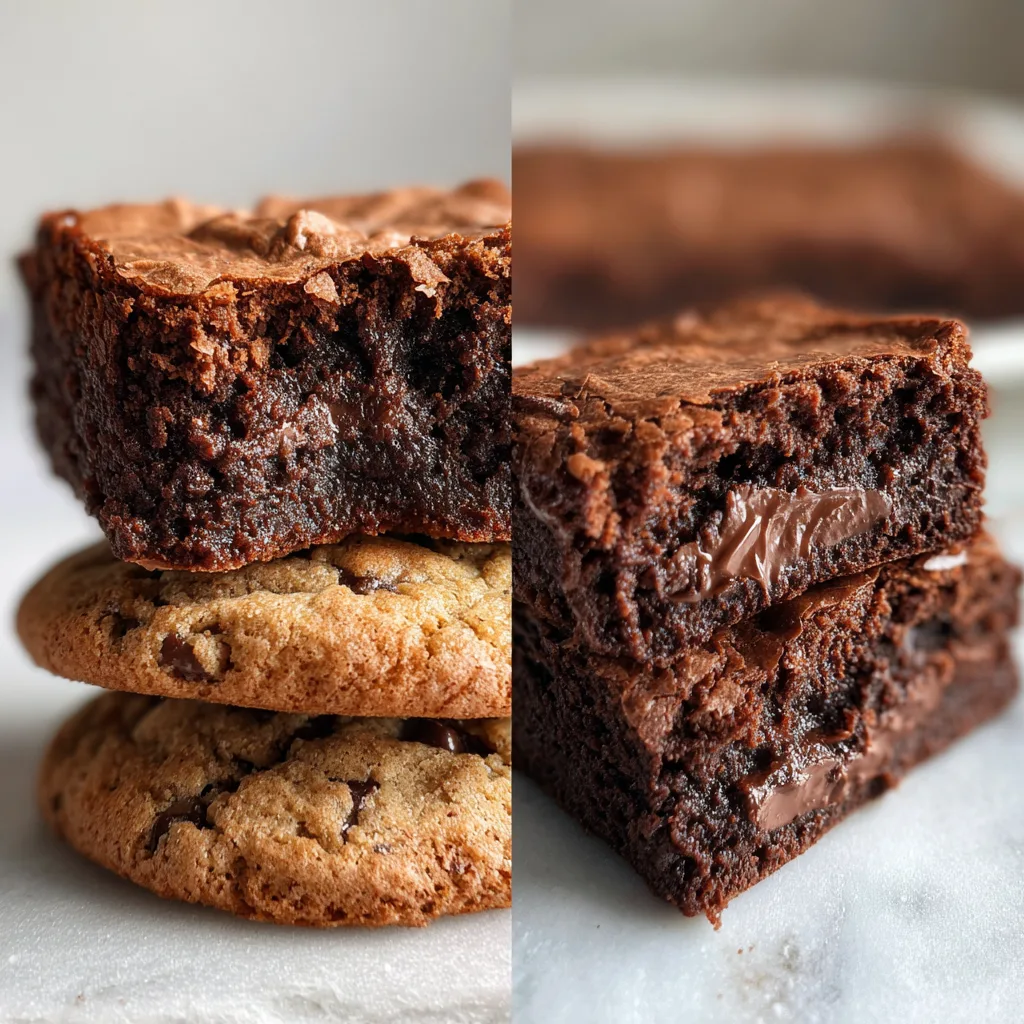
Certain gluten-free flours—especially rice flour and cornmeal—have a naturally grainy texture. The flour particles are larger than wheat flour particles and don’t dissolve during baking.
The Fix:
- Switch to superfine rice flour instead of regular rice flour. Asian markets sell this as “sweet rice flour” or “glutinous rice flour.”
- Use a flour blend instead of single flours. Blends combine fine starches (tapioca, potato starch) with coarser flours to balance texture.
- Sift your flour before measuring. This breaks up clumps and aerates the flour for smoother texture.
- Let batter rest for 10 minutes before baking. This hydrates the flour particles and reduces grittiness.
- Add more fat. Fat coats flour particles and makes them less noticeable on your tongue.
Best Flour Choices for Smooth Texture: Oat flour, sorghum flour, almond flour, or commercial blends like Bob’s Red Mill 1-to-1 or King Arthur Measure for Measure.
Disaster #6 – Bread That Won’t Rise
The Problem:
Your gluten-free bread stays flat and dense like a brick instead of rising into a light, airy loaf.
Why It Happens:
Gluten-free bread dough can’t trap air bubbles effectively without gluten. The yeast produces gas, but it escapes instead of being trapped. Bread needs strong binders, warm proofing temperatures, and often requires a bread machine or stand mixer.
The Fix:
- Use a proven gluten-free bread recipe instead of converting a traditional recipe. Gluten-free bread requires completely different ratios.
- Add vital wheat gluten alternatives: xanthan gum (1 teaspoon per cup of flour) or psyllium husk powder (2 teaspoons per loaf).
- Proof in a warm place (75-85°F). Cold environments slow yeast activity. Try proofing in an oven with just the light on.
- Use instant yeast instead of active dry yeast. It’s more reliable and doesn’t need proofing.
- Beat the dough vigorously for 3-5 minutes with a stand mixer. This develops structure and incorporates air.
- Don’t overproof. Gluten-free dough rises once. If you let it rise too long, it collapses and won’t rise again.
Reality Check: Gluten-free bread never achieves the same texture as wheat bread. Set realistic expectations. You’re aiming for good gluten-free bread, not an exact wheat bread replica.
Disaster #7 – Weird Aftertaste or Bitterness
The Problem:
Your baked goods taste off—bitter, beany, or metallic—even though you followed the recipe exactly.
Why It Happens:
Certain gluten-free flours have strong flavors. Chickpea flour tastes beany. Brown rice flour can taste bitter if it’s rancid. Buckwheat flour is very earthy. Old baking powder or baking soda creates metallic aftertastes.
The Fix:
- Smell your flours before using them. Rancid flour smells musty or stale. Gluten-free flours go rancid faster because they contain more oils.
- Store flour in the freezer to prevent rancidity. This extends shelf life from 3 months to 1 year.
- Use neutral-flavored flour blends: white rice flour, tapioca starch, potato starch, or commercial blends.
- Test your baking powder. Drop ½ teaspoon in hot water. It should fizz vigorously. If it doesn’t, it’s old and will taste metallic.
- Reduce strong-flavored flours to 25% or less of the total flour blend. For example, use ¼ cup almond flour + ¾ cup neutral blend.
- Add flavor boosters: vanilla extract, almond extract, or citrus zest mask off-flavors.
Pro Tip: Buy flours in small quantities until you know you’ll use them regularly. A 5-pound bag of flour that goes rancid wastes money and ruins recipes.
Essential Tools for Troubleshooting Success
1. Kitchen Scale
Measuring gluten-free flour by weight (grams) instead of volume (cups) eliminates the #1 cause of recipe failures. Different flours have different densities.
2. Oven Thermometer
Verify your oven’s actual temperature. A $7 thermometer prevents countless baking disasters.
3. Instant-Read Thermometer
Test bread and cakes for doneness. Gluten-free baked goods should reach 205-210°F internal temperature.
4. Bench Scraper
Helps handle sticky gluten-free dough without adding excess flour.
5. Silicone Baking Mats
Prevent sticking and promote even browning without added grease.
Quick Reference Troubleshooting Chart
| Problem | Most Likely Cause | Quick Fix |
|---|---|---|
| Gummy texture | Underbaked or too much starch | Lower temp 25°F, bake longer, cool completely |
| Dry and crumbly | Not enough liquid or fat | Add 25% more liquid, add extra fat |
| Collapsed center | Weak structure | Add xanthan gum, extra egg, don’t open oven early |
| Cookies spread | Dough too warm or wet | Chill dough 30 min, add more flour |
| Gritty texture | Wrong flour type | Use superfine flours or blends |
| Won’t rise | Insufficient binder | Add xanthan gum, use warm proofing, beat dough well |
| Bad aftertaste | Rancid flour or old leavening | Smell test flours, replace baking powder, store in freezer |
Prevention Tips for Future Success
1. Use Tested Gluten-Free Recipes
Don’t convert traditional recipes until you understand gluten-free baking. Start with recipes specifically developed for gluten-free baking.
2. Measure Accurately
Invest in a kitchen scale. It’s the single best tool for consistent gluten-free baking.
3. Read Ingredient Labels
Many gluten-free flours contain additives or unexpected ingredients. Pure flour has one ingredient.
4. Let Dough Rest
Give gluten-free batters 10 minutes to hydrate before baking. This improves texture dramatically.
5. Don’t Overmix
Mix just until combined. Overmixing incorporates too much air, which escapes during baking and causes collapse.
Frequently Asked Questions
Q: Can I fix a gummy baked good after it’s done?
A: Partially. Return it to a 300°F oven for 10-15 minutes to dry it out. It won’t be perfect, but it’s edible.
Q: Do I always need xanthan gum?
A: Not always. Recipes high in eggs, nut flours, or bananas may have enough natural binding. But xanthan gum is insurance for most recipes.
Q: Can I substitute one gluten-free flour for another?
A: Not directly. Each flour has different properties. Stick to tested recipes or use commercial 1-to-1 baking blends.
Q: How long do gluten-free baked goods last?
A: 2-3 days at room temperature in airtight containers, 1 week refrigerated, or 3 months frozen.
Q: Why do my gluten-free baked goods taste better the next day?
A: Gluten-free flours continue hydrating after baking. Flavors meld and texture improves over 24 hours.
Final Thoughts
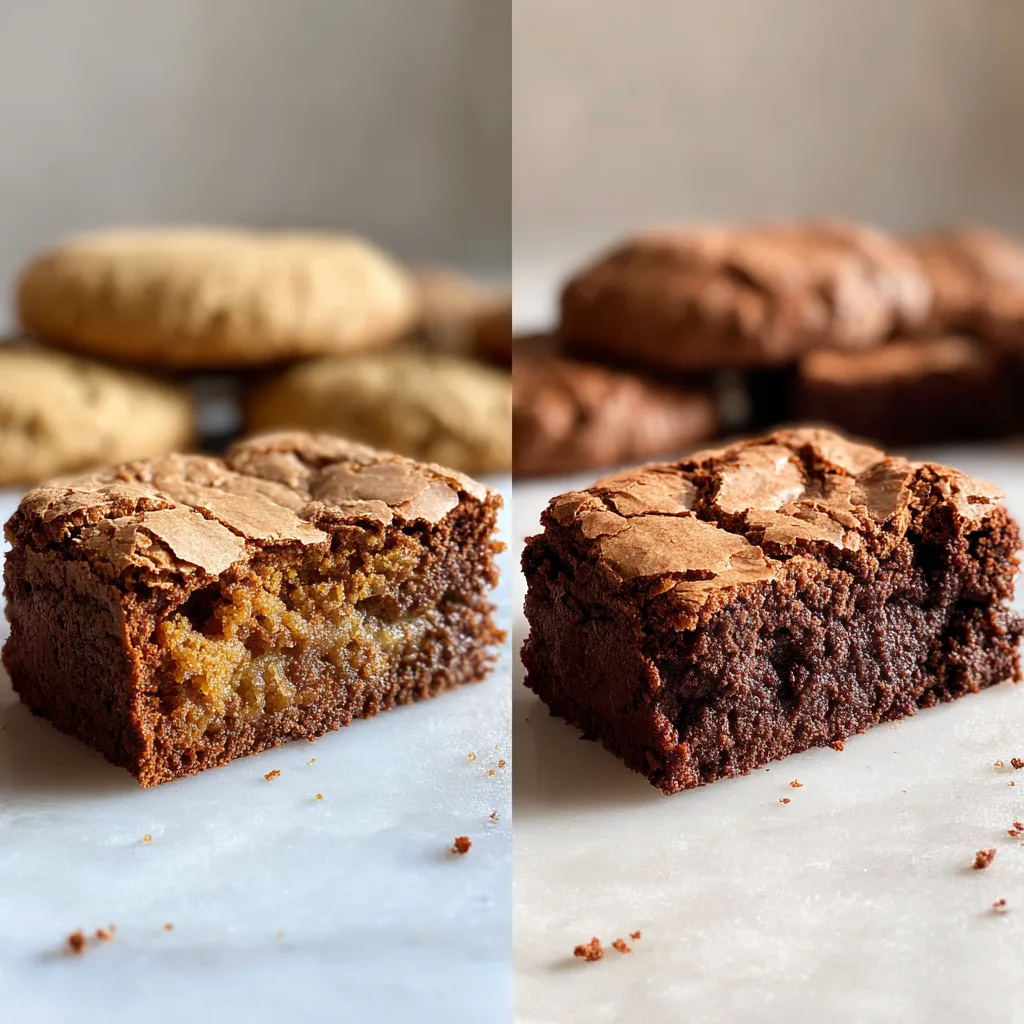
Troubleshooting gluten-free baking disasters becomes easier once you understand the science behind the problems. Most issues trace back to structure, moisture, or baking temperature. Chef Rachel’s biggest advice? Don’t give up after one failure. Gluten-free baking has a learning curve, but once you master the basics, you’ll create baked goods your whole family loves.
Start with one tested recipe, follow the troubleshooting tips in this guide, and celebrate small wins. Your gluten-free baking disasters will become distant memories.
Blog and Social Links Footer
More recipes at: mealzyt.com
Follow us: Pinterest | Facebook